Predictive content diagnostics
See what your audience sees.
AI personas try your page in a real browser and think aloud. You see where they give up.
Free to start: 50 credits when you sign up — enough for two focus groups.
AI personas try your page in a real browser and think aloud. You see where they give up.
Free to start: 50 credits when you sign up — enough for two focus groups.
Give the panel anything — names you are weighing, a headline, an offer, or a whole interview guide. It works out what you asked for, assembles a panel to match, and shows you both before anything runs.
Not a score. Not a wall of analytics. A short, readable report: the strongest finding first, each one backed by what the personas actually said and where they said it.
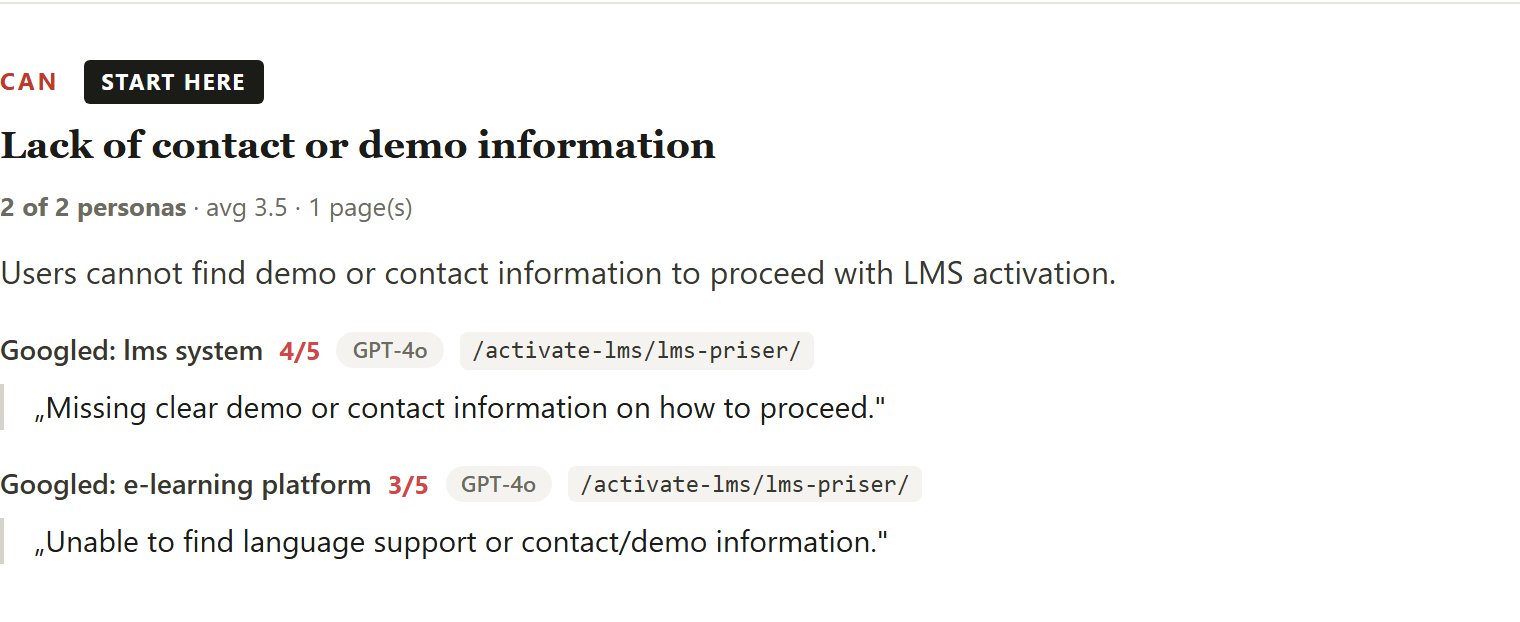
When several different personas hit the same wall, it counts. This finding — a missing demo path on a pricing page — was flagged by every persona, marked "start here" — and the broken pricing path has since been fixed on the live page.
From a real run on a real LMS product page — the finding drove a fix, and reruns keep watch.
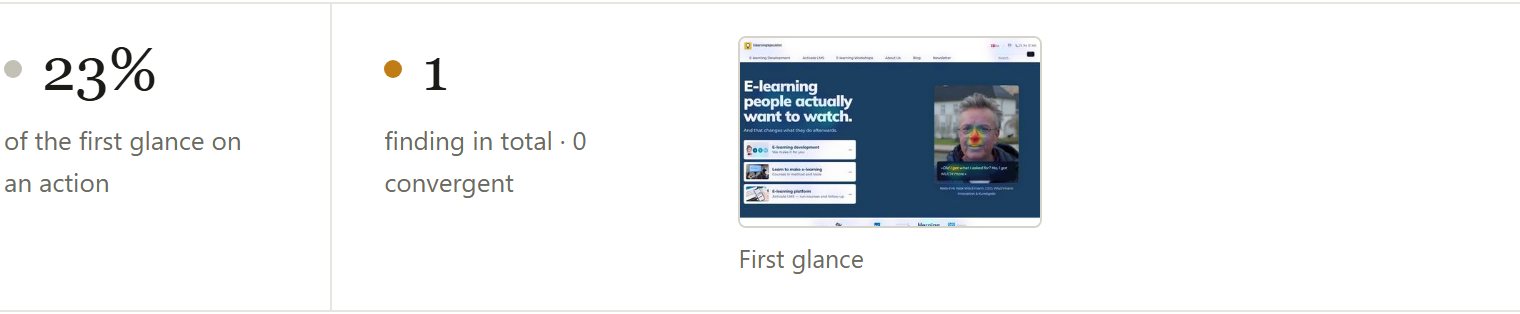
How much of the first glance lands on an action instead of decoration? How many problems did independent personas agree on? Two numbers with no invented benchmarks: we measure, we don't grade.
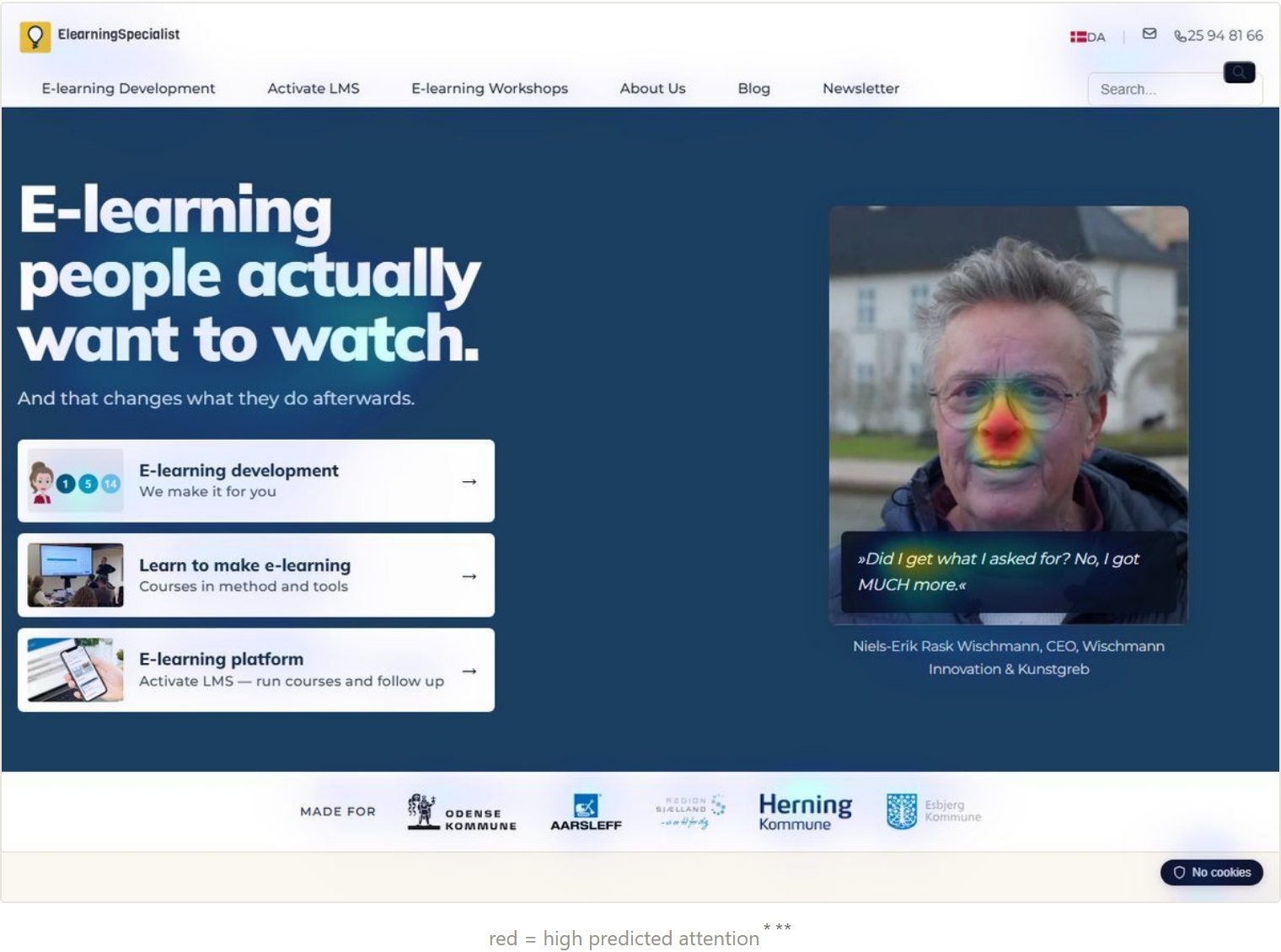
People don't read pages top-to-bottom. The eye lands somewhere, and the story starts there. ThinkAloud works in the same order.
A public URL, an uploaded HTML prototype, or an image. Choose the purpose: conversion, communication or reference — the test judges accordingly.
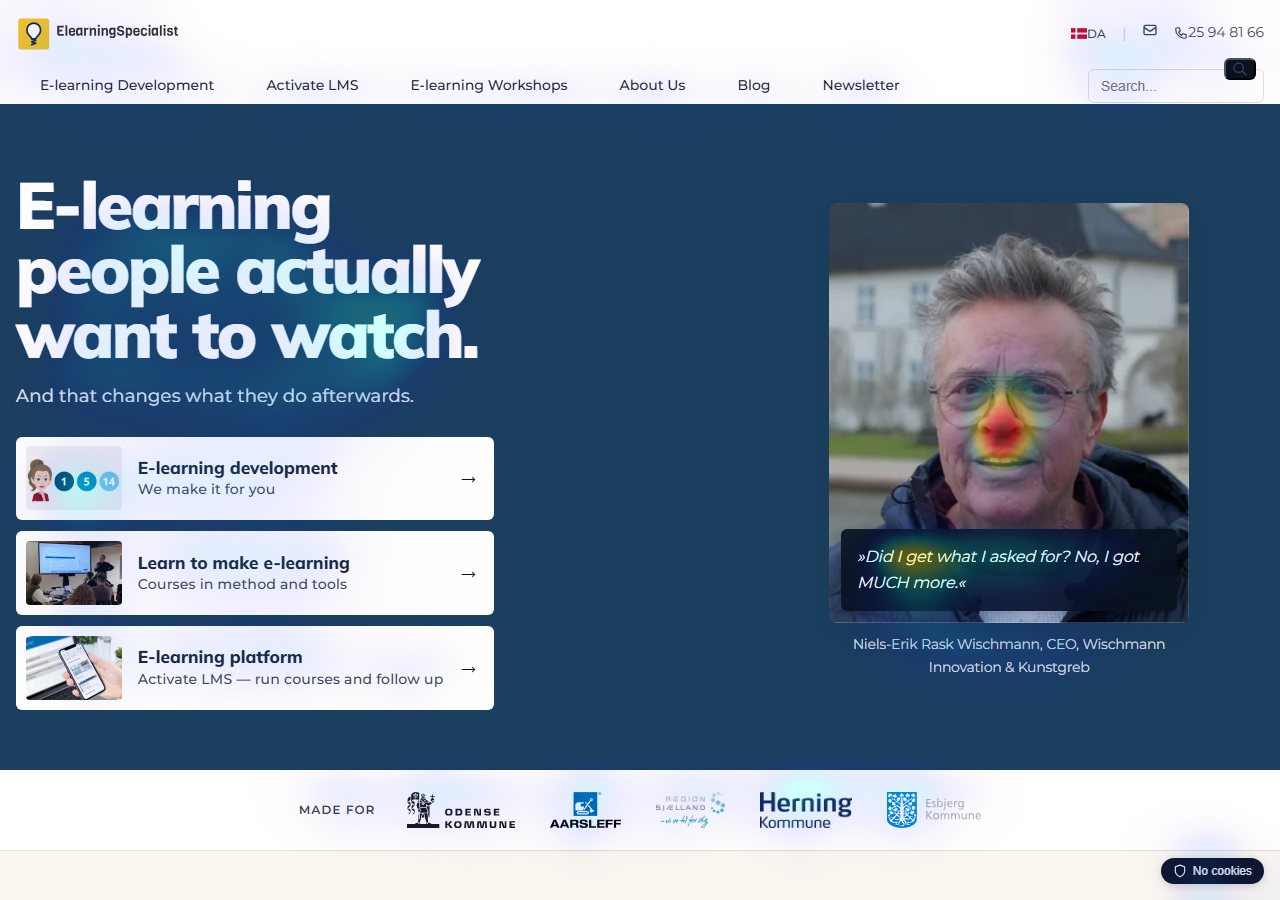
An attention model trained on real eye-tracking data predicts the first glance. Personas — built from your real search queries if you have them — then read, navigate and think aloud in a real browser.
Heatmap on top, then coverage, strengths and prioritized friction — each finding with quotes, severity and the exact page it happened on. PDF included.
Trust, meaning, ability and effort — the behavioral friction framework behind the analysis. The report shows which fields work, which have problems, and what nobody mentioned.

Not mockups — actual output from real runs on live pages. The think-aloud personas are built from real Google Search Console queries.
Redesigned page, 4 personas × 2 models. Twelve strengths, eight of them confirmed by both models — and one persona who wanted more detail before judging whether a custom compliance course would fit.
Open report →
Our own product, tested by us. Found a dead “See how it works” link and a “Get started” button that looped back to the homepage.
Open report →
A case link pointing at the wrong content, and adoption numbers missing where a buyer looks for them. Report in Danish.
Open report →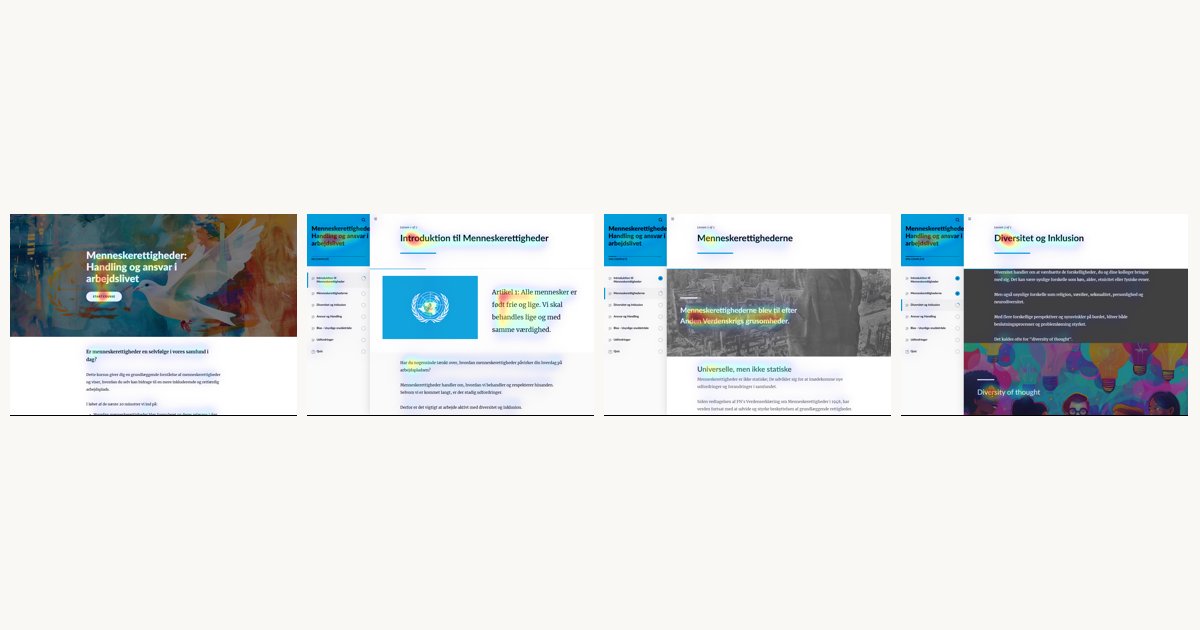
A published Rise course, uploaded as a SCORM package: one heatmap per lesson, one readability measure per lesson, 2 personas × 2 models. Readability drops as the course goes on, and the hard words are English loanwords in a Danish course. Report in Danish.
Open report →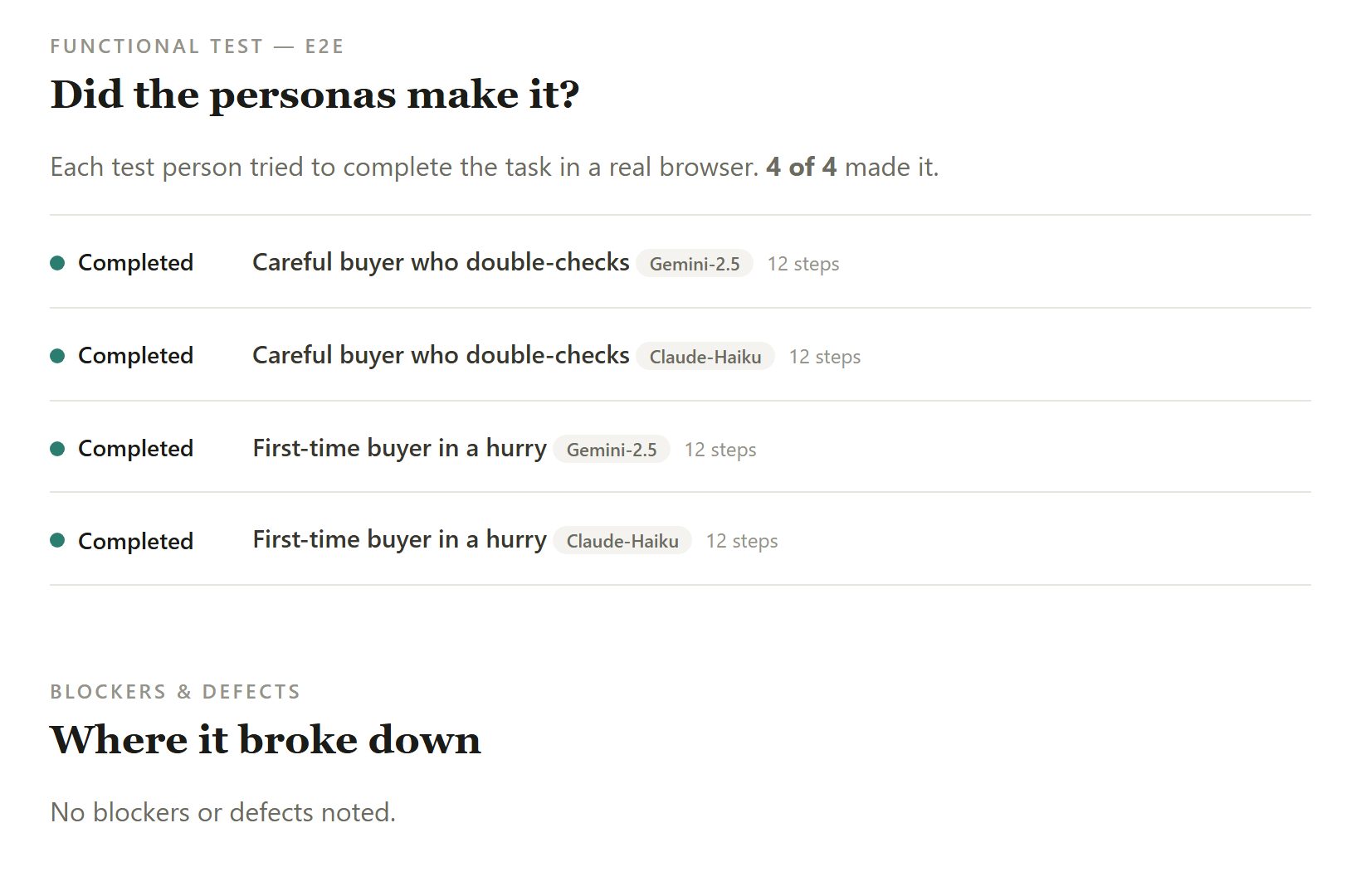
Does the flow actually work? Login → cart → checkout on a public demo shop: pass/fail per persona × model, with the exact step where it would break.
Open report →Prediction, not measurement. ThinkAloud is a fast pre-test you run before real users see the page. It tells you what to fix before anyone real sees it — and it is honest about being a simulation: every report is labeled accordingly.
Every plan includes everything: all three lenses, every model, PDF reports. Plans differ only in how much you run. New accounts start with 50 free credits — no card.
≈ 6 think-aloud tests or 24 focus groups a month. For the solo marketer who tests before shipping.
≈ €2.50 per test · €0.65 per focus group
Start free≈ 20 tests a month. For teams that test continuously — every page, every rewrite, before it ships.
≈ €1.75 per test · €0.45 per focus group
Start freeFor agencies delivering analyses to clients. Tell us how much you run. We agree a price, and you get API access.
Same engine, same reports — priced for volume.
Get in touchNo subscription? Buy 400 credits for €15 when you need them — four full reports, no commitment.
How credits work: a think-aloud test costs 100, a focus group 25, a functional E2E test 200, a comprehensive three-lens report 250. For comparison: a single participant in a classic user test typically costs €70 or more. Here the price per run is the same whatever the number of personas. Prices in euro (EUR), excl. VAT.